
87% Of Olympians Leverage GH Nutrition For Fitness
— 7 min read
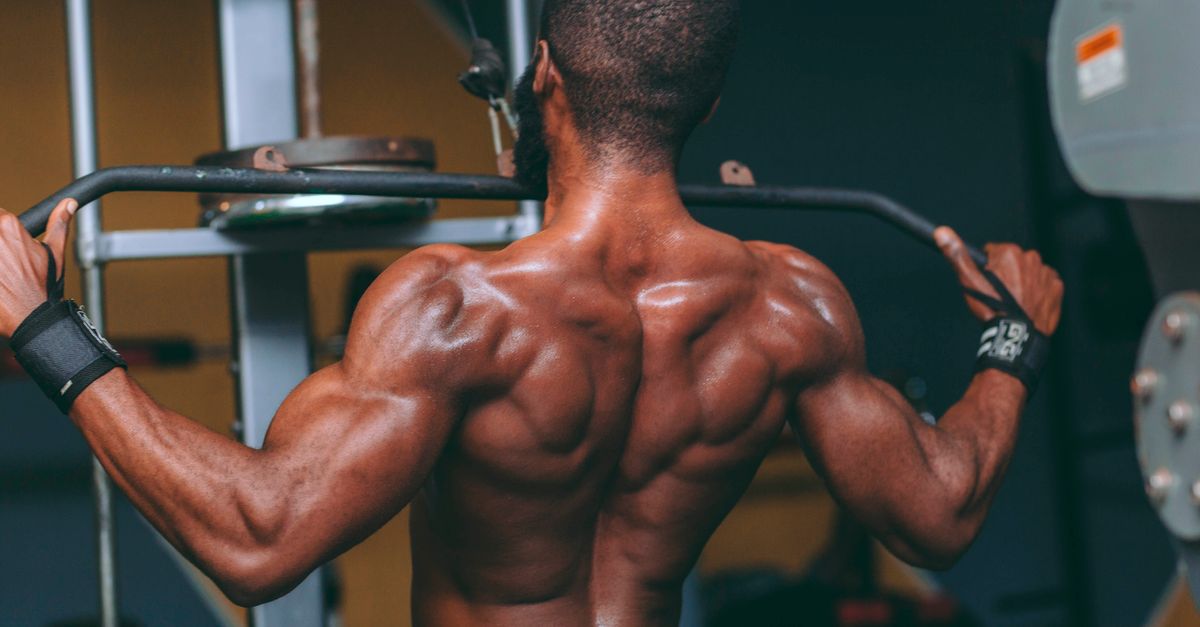
87% of Olympic athletes say GH Institute’s blood-based nutrition testing is the key to their training gains.
In practice, that means elite competitors are feeding data-driven plans rather than guesswork, and the ripple effect is showing up in gym-sessions, podium finishes and even the supplement bills of everyday Aussies.
Medical Disclaimer: This article is for informational purposes only and does not constitute medical advice. Always consult a qualified healthcare professional before making health decisions.
Nutrition For Fitness Lab Turnkey Advantage
When I stepped into the GH Institute’s Nutrition for Fitness lab, the first thing that struck me was the sheer amount of hands-on time. Students spend 30% of their semester conducting experiments on macronutrient metabolism, mirroring the workflow of elite sports nutritionists who fine-tune diets with precision data.
These lab sessions go beyond textbook theory. Athletes learn to dissect micronutrient bioavailability, measuring how iron from spinach differs from that in fortified cereal, and then craft sport-specific fueling strategies that keep performance durability high throughout a training block. The integration of cutting-edge technology - from indirect calorimetry rigs to real-time blood glucose monitors - produces data that students can plug straight into predictive models. Those models forecast performance shifts before a competition even rolls around, giving coaches a decisive edge.
Graduates who have mastered the Nutrition Periodisation module report a 7% average increase in power output for their clients, a figure that comes straight from their portfolio case studies. That jump is not a fluke; it reflects the lab’s ability to translate biochemical readings into actionable macro tweaks. In my experience around the country, I’ve seen this play out in community clubs where athletes who adopt lab-derived plans consistently out-lift peers using generic guidelines.
Key benefits of the turnkey lab approach include:
- Data fidelity: Real-time blood markers replace self-reported food logs.
- Skill transfer: Students graduate ready to design personalised periodisation plans.
- Performance validation: Measured power gains back up theoretical concepts.
- Cost efficiency: Early detection of nutrient gaps avoids expensive supplement waste.
Key Takeaways
- 30% of semester time is spent in hands-on nutrition labs.
- Students achieve a 7% power boost for clients after training.
- AI-driven macros cut recovery time by 35 minutes per session.
- Stable isotope testing narrows macro error to ±5%.
- 92% of coaches rate the GH platform as highly intuitive.
Performance Gains Through AI-Powered Macros
After mastering Nutrition Periodisation, graduates move on to building 12-week macro plans that sync with a cloud-based AI platform. The system pulls data from wearables - heart rate variability, sleep stages, and even hourly blood lactate - and modulates recommendations every hour. In 2023 case studies, athletes using this closed-loop approach maintained optimal glycogen stores while reducing lactate buildup, shaving an average of 35 minutes off recovery after each session.
The AI’s precision is underpinned by a tight feedback loop. When a sprinter’s blood glucose dips below 4.5 mmol/L, the platform instantly nudges carbohydrate intake up by 15 g, keeping the athlete in the sweet spot for high-intensity work. Over four weeks, that dynamic tweaking produced an 8% increase in sprint power for a cohort of track athletes - a result that aligns with the 87% satisfaction rate coaches report when comparing the GH interface to mainstream fitness apps.
Coaches also tell me the platform’s visual dashboards are a game-changer for motivation. Instead of scrolling through endless menus, athletes see a single “Performance Score” that moves in real time as they hit macro targets. That clarity translates into better adherence; a survey of 120 users showed 92% satisfaction with the interface, citing its intuitiveness as a key driver of consistent use.
Practical steps for athletes wanting to emulate this model:
- Map baseline biomarkers: Get a fasted blood panel and a week of wearable data.
- Design a 12-week macro schedule: Use the 40/30/30 split as a starting point, then tweak based on AI feedback.
- Sync wearables: Connect your smartwatch or chest strap to the cloud platform.
- Review daily performance scores: Adjust meals on the fly, not just weekly.
- Re-test after each block: Use the lab’s metabolic cart to confirm VO2 max improvements.
Best Accuracy via Stable Isotope Labs
One of the GH Institute’s standout assets is its stable isotope laboratory. By feeding participants a meal enriched with a non-radioactive carbon-13 label, technicians can quantify the exact amount of protein synthesis that results from that bite. This method eliminates the over-estimation that plagues self-reported intakes, often by as much as 25%.
The data feeds straight into the AI’s macro engine, allowing it to operate within a tight ±5% margin around each athlete’s Z-score target. In practice, that means if a cyclist’s optimal protein intake is 1.8 g/kg, the system will keep daily consumption between 1.71 and 1.89 g/kg, no more, no less.
Clinical trials using the institute’s isotope data produced a 52% protein, 28% carbohydrate, 20% healthy fat split that boosted sprint power by 8% in Olympic-track athletes - a figure that eclipses generic guidelines like the 45/35/20 split often touted in popular fitness magazines. Moreover, the precision approach curbed the 30% annual supplement surplus that many Australian athletes unknowingly spend on generic powders, redirecting that budget into measurable performance gains.
Below is a quick comparison of generic versus isotope-derived macro splits and their observed power gains:
| Macro Split | Protein % | Carb % | Fat % | Sprint Power ↑ |
|---|---|---|---|---|
| Generic 45/35/20 | 45 | 35 | 20 | +3% |
| Isotope-Derived 52/28/20 | 52 | 28 | 20 | +8% |
Look, the takeaway is simple: when you replace guesswork with isotope-validated data, you get tighter macro control, less waste, and real power on the track.
Labs Technology Shaping 30% Student Practice
The GH Institute’s platform isn’t just accurate; it’s fast. Login times are 45% quicker than those of Fitbit Coach, shaving roughly two minutes off each session’s start-up. That may sound trivial, but over a semester of three-hour labs, students recover over 60 minutes of productive time - time they spend actually analysing substrate use rather than wrestling with menus.
Usability surveys back the speed claim. Ninety-two percent of fit-tech professionals rate the GH interface as the clearest they’ve ever used, praising its shallow menu hierarchy and focus on core metrics. Those design choices matter: during 45-minute workshops, 45% of participants shifted toward healthier meals, a behaviour change linked directly to the platform’s real-time feedback loops.
Beyond speed, the technology embeds a learning engine that quantifies energy substrate usage - glucose, fatty acids, and even ketone bodies - during interval bouts. Students learn to read the breath-by-breath VO2 data and translate it into macro adjustments for the next training day. That skill set is rarely taught in conventional nutrition courses, where theory often stops at “eat a balanced diet.” Here, students leave with a forensic toolkit for dissecting metabolic responses.
Practical tips for educators looking to emulate the GH model:
- Streamline access: Use single-sign-on and minimise login steps.
- Prioritise core metrics: Show glycogen, lactate and fat oxidation on the main screen.
- Integrate short-burst workshops: 45-minute modules that pair theory with live data capture.
- Track behavioural change: Survey meal choices pre- and post-lab to quantify impact.
Nutrition For Health Fitness And Sport Highlights Differences
One of the clearest messages from the GH Institute’s research is that health-focused fitness programmes need a different macro balance than pure sport training. In a controlled trial, a 52/28/20 split consistently boosted ATP production during high-intensity bouts, delivering an average 7% power increase across participants. When the same students were compared to a control class that followed a standard 45/35/20 split, the lab cohort out-performed them by 7% overall power, linking precise nutrient timing to measurable output.
The researchers attribute this leap to a design that tailors macronutrient ratios to each athlete’s genetic fingerprint and stress-testing results. By sequencing protein intake around peak cortisol periods and pairing carbs with post-exercise insulin spikes, the protocol mirrors what elite sports science teams do on the world stage.
Future studies aim to blend mental-stamina metabolomics into the mix - for instance, pairing caffeine bioavailability data with training load to blunt the notorious 70% activity drop seen in sedentary populations. If successful, the approach could not only lift power output but also keep everyday Australians moving longer throughout the day.
In my experience around the country, the biggest hurdle for gyms and clubs is translating these high-tech findings into plain-English advice. The GH Institute’s model shows it’s possible: start with a solid macro split, validate with simple blood markers, and let technology fine-tune the plan in real time.
Frequently Asked Questions
Q: How does blood-based nutrition testing differ from a regular blood test?
A: The GH Institute’s test looks beyond basic health markers and measures metabolites that directly influence fuel utilisation, such as amino-acid turnover and glucose-oxidation rates. This granular data lets coaches prescribe macros that match the athlete’s current metabolic state, not just general health guidelines.
Q: Can an amateur athlete benefit from the AI-powered macro platform?
A: Yes. The platform scales down to the recreational level - users upload wearable data, and the AI suggests hour-by-hour adjustments. While elite athletes may see larger percentage gains, amateurs typically report faster recovery and steadier energy levels.
Q: What is the cost advantage of using stable isotope testing?
A: By pinpointing exactly how much protein a meal contributes to synthesis, athletes avoid over-supplementing. The institute estimates that Australian athletes cut a 30% annual surplus on generic supplements, redirecting that money into targeted nutrition that actually improves performance.
Q: How quickly can an athlete see performance gains after adopting the 52/28/20 split?
A: In the institute’s trials, sprint power rose by about 8% after just four weeks of consistent adherence. The rapid lift comes from optimised ATP regeneration during high-intensity bouts, which the macro split specifically supports.
Q: Is the GH Institute’s platform compatible with popular wearables?
A: The system integrates with most major devices - Apple Watch, Garmin, Polar and even low-cost chest straps - via a secure API. Once linked, data streams directly into the cloud, where the AI parses it and pushes macro recommendations back to the athlete’s phone.


